
ALTA Survey for Residential Property With Shared Driveway Access
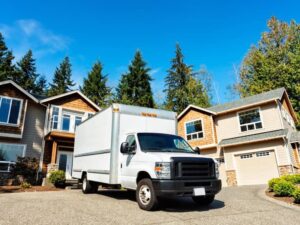
A shared driveway can look simple from the street. Two homes, one strip of pavement, and a neighbor who waves when you pull in. The paperwork behind that driveway is often far less tidy, and that’s where most access problems start.
An ALTA survey for residential property gives you a clear picture of who owns the driveway, who has the right to use it, and whether the pavement sits where the recorded rights say it should. That matters before you buy, refinance, sell, or build. The key takeaway is simple: confirm shared access on paper and on the ground before closing, while there’s still time to fix problems.
Shared Driveway Access and Property Boundaries
A shared driveway is a single drive used by two or more properties. Usually the pavement sits on one owner’s land or straddles the line between lots, and the other owner crosses it under an easement. An easement is a recorded right to use part of someone else’s property for a set purpose, such as getting to and from the street.
The boundary line doesn’t move because a driveway crosses it. Ownership stays with the lot owner, while the easement gives the neighbor limited use rights. This split between ownership and use is why buyers get confused and why a survey helps so much.
An ALTA survey follows the ALTA/NSPS Minimum Standard Detail Requirements. These standards were built mostly for commercial deals, but lenders and title companies sometimes ask for them on higher-value homes, estates, or lots with unusual access. The survey shows boundaries, improvements, recorded easements, and evidence of use in one drawing.
Reviewing Recorded Access Rights and Driveway Agreements
The surveyor starts with the title commitment and the recorded documents listed in it. These may include the deed, the subdivision plat, an access easement, or a shared driveway agreement. Each one can describe the access area a little differently, so the surveyor compares them closely.
What a Driveway Agreement Usually Covers
A shared driveway agreement often spells out who can use the drive and who pays for upkeep. Some cover snow removal, repaving, parking limits, and how costs get split. Others are a single line in an old deed that says little beyond the right to pass.
Before closing, ask the surveyor or title company a few direct questions. Confirm whether the easement is recorded, whether it has a written legal description, and whether it benefits your lot by name. Also ask whether the rights run with the land, which means they pass to future owners automatically. A survey shows where recorded rights fall, but your attorney or title company should explain what those rights mean legally.
Mapping Physical Driveway Conditions on the Survey
Field work is where paper meets pavement. The survey crew locates driveway edges, curbs, aprons, retaining walls, gates, mailboxes, and parking pads tied to the drive. They also record utility evidence like manholes, valves, or overhead lines along the access route.
Once those features are mapped, the surveyor plots the recorded easement on top of them. This shows whether the driveway stays inside the easement or drifts outside it. A drive that was widened over the years, or curved around a tree, often ends up partly on land with no recorded access right.
Some clients add optional Table A items to the scope. These can include topographic contours, utility locations, or other details, depending on what the lender or buyer needs. Talk with your surveyor early so the scope matches the deal.
Identifying Access Issues During Property Due Diligence
Due diligence is the period before closing when a buyer checks the property for problems. Shared driveways tend to raise the same handful of issues. The survey helps you spot them while you can still fix them or renegotiate.
Common findings include:
- The driveway sits partly outside the recorded easement area.
- No recorded easement exists, and access depends on an informal neighbor arrangement.
- A fence, shed, or planter blocks part of the access route.
- The easement benefits a different lot than the one being sold.
- The drive crosses a third parcel before reaching a public road.
Any one of these can affect title insurance, lending, or resale. Some are fixed with a new recorded easement or a corrected agreement signed by both owners. Others need legal help, so bring them to your title company and attorney as soon as the survey flags them.
Using ALTA Survey Data for Residential Planning
The survey stays useful long after closing. If you plan to add a garage, widen the drive, install a gate, or build near the access route, the drawing shows where you can work without crossing into easement areas. That can keep you from building something your neighbor has the right to cross.
Shared access also affects grading and drainage. A driveway that sheds water onto one lot can cause friction between owners and wear down pavement over time. If drainage is part of your plans, ask whether a topographic survey or added elevation data makes sense along with the ALTA work.
Keep a copy of the final survey with your closing papers. When it’s time to sell, refinance, or split repaving costs with a neighbor, you’ll have a clear record of where the drive sits and what rights apply. Requirements can vary by lender, title company, county, and project scope, so confirm what’s needed before you order the survey.
Frequently Asked Questions
Do I need an ALTA survey for a residential property?
Not always. Many home sales use a standard boundary or mortgage survey instead. An ALTA survey makes more sense when a lender or title company asks for it, or when shared access and easements add risk. Your lender and title company can tell you which survey they’ll accept.
Can an ALTA survey tell me if my shared driveway access is legal?
The survey shows where recorded access rights fall and where the driveway actually sits. It can flag gaps, overlaps, and obstructions. It doesn’t give a legal opinion on what those rights allow. An attorney or title company should review the documents for that part.
What happens if the driveway is outside the easement?
The owner using the drive may not have a recorded right to cross that area. This can cause trouble with title insurance, lending, or resale. Owners often fix it by recording a new or amended easement that matches real conditions. The survey gives both sides an accurate drawing to base that agreement on.
How long does an ALTA survey take for a home?
Timing depends on lot size, records research, field conditions, and the surveyor’s schedule. A simple lot may move faster than one with old deeds and several easements. Delays often come from waiting on the title commitment. Order the survey as early as you can once a closing date is set.
Who pays for repairs on a shared driveway?
That usually depends on the driveway agreement or easement language. Some agreements split costs evenly, while others base them on use. If no written agreement exists, owners often have to work it out or seek legal advice. A survey shows who owns the pavement, which helps that conversation.
For a free land surveying quote, call us at (502) 557-1757 or send us a message by going here.
Posted in alta survey
